
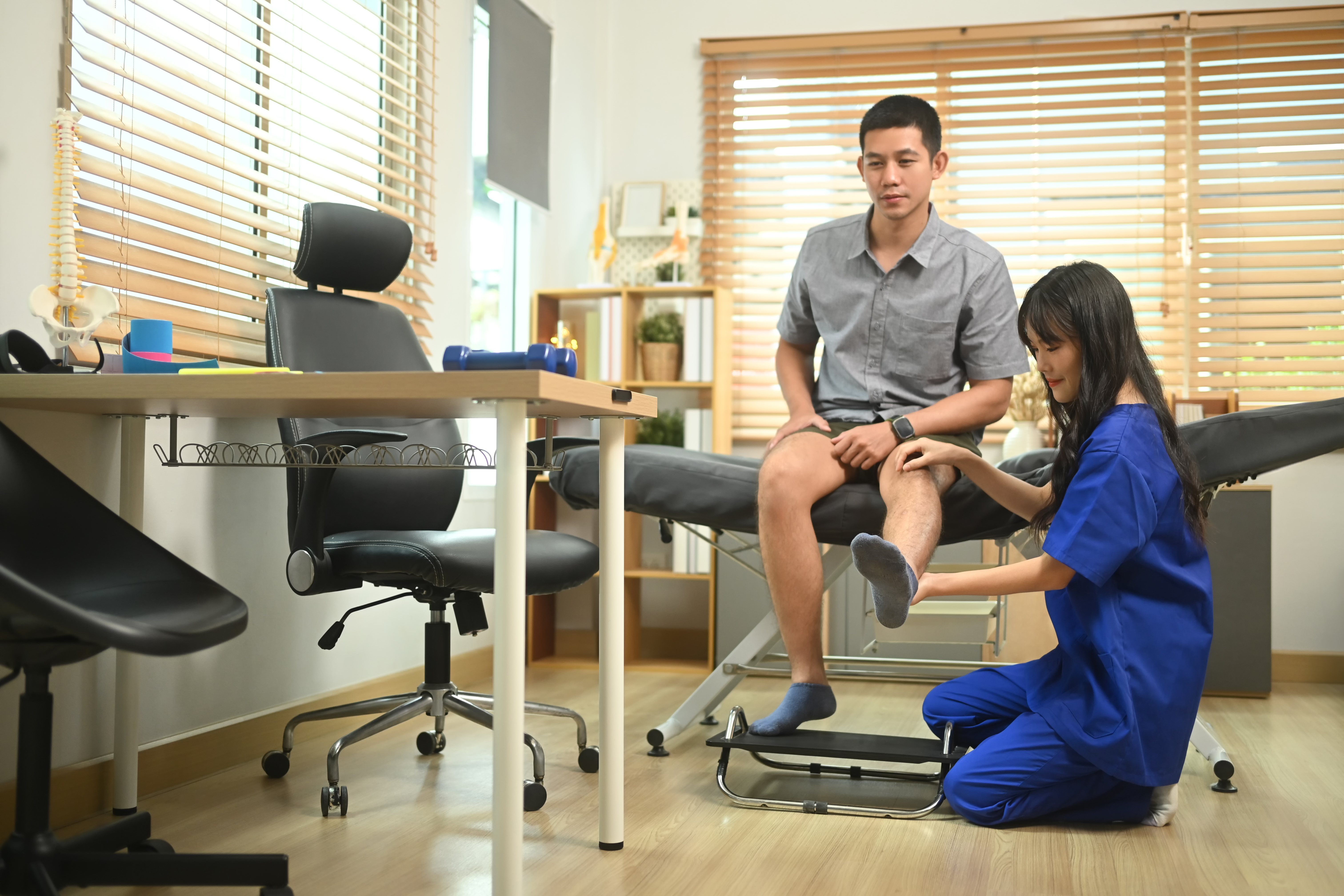
How to Find the Best Physiotherapy in Kerala : A Practical Guide to Faster, Safer Recovery
Pain, injuries or a long time of recovery from surgery will definitely make your life exhausting. This guide highlights the criteria of good physiotherapy in Kerala, the health conditions that can be treated through physiotherapy, and the ways in which Bethel Physiotherapy in Thrissur assists their clients with a comprehensive rehabilitation.
Do you remember how difficult it was for your parents to learn to walk again after a stroke or how you struggled to go up the stairs after the surgery on your knees? You understand that recovery is not only about medication.
This is where we meet our patients on a daily basis at Bethel Physiotherapy, Thrissur. We understand that it is very difficult for you to select the right clinic with such a huge range of choice available. Here is an easy-to-understand guide to the best physiotherapy clinics in Kerala.
What Is Physiotherapy, and Who Actually Needs It?
Physiotherapy is evidence-based practice which aims at restoring movements, alleviating pain and improving body functioning. It is usually believed that physiotherapy concerns athletes and people who had accidents. However, this medical practice benefits practically everybody at one point in their lives.
You may need it if you:
Live with back, neck or knee pain that keeps coming back
Are recovering from a fracture or surgery
Have a neurological condition such as stroke or Parkinson’s disease
Feel breathless or weak after a heart or lung problem
Want to prevent injuries as you age or return to sport safely
The earlier you start, the better your body responds. Waiting usually means a longer recovery.
What Makes the Best Physiotherapy in Kerala Different From an Average Clinic?
That is a great question, as not all clinics provide the same level of treatment. Best physiotherapy in Kerala is about much more than just exercising and applying a heat pack. It’s about holistic treatment.
Here is how the two compare:
An average clinic often offers:
A one-size-fits-all exercise sheet
Limited equipment, usually basic pain relief machines
Short sessions with little follow-up
Treatment of symptoms only
A top-tier rehabilitation centre offers:
A detailed assessment of your history, lifestyle and goals
A personalised plan that changes as you improve
Advanced equipment and specialist therapists under one roof
Education so you can protect yourself after treatment ends
Support for your emotional wellbeing, not just your muscles
At Bethel Physiotherapy, this whole-person approach is the foundation of every treatment plan we create.
Which Conditions Can Physiotherapy Treat?
Physiotherapy covers a wide range of needs.
At Bethel, care is organised into specialities:
Neuro rehabilitation: stroke, Parkinson’s disease, spinal cord injuries, cerebral palsy, Bell’s palsy, multiple sclerosis and developmental delays
Orthopedic rehabilitation: arthritis, sciatica, frozen shoulder, disc problems, ligament injuries, tennis elbow and post-fracture care
Post-operative rehabilitation: knee and hip replacements, ACL reconstruction, spinal surgeries and cardiac bypass recovery
Sports rehabilitation: muscle strains, ligament sprains, runner’s knee, shin splints and cartilage tears
Cardio-pulmonary rehabilitation: asthma, COPD, hypertension, heart attack recovery and post-surgical lung care
Each speciality has its own methods, from gait training and spasticity management to joint mobilisation, dry needling and breathing exercises.
How Does Bethel Physiotherapy Plan Your Recovery?
No two patients are alike, so no two plans should be either. Here is how the journey usually unfolds.
Step 1: Understanding your story
Your first visit is a discussion. We take a look at your medical history, your symptoms, and what your goals are, whether it is being able to walk without assistance, lift up your grandson or run again.
Step 2: Building a personalised plan
Depending on your diagnosis, your physiotherapist will recommend the appropriate combination of physical therapy, exercises, and technologies such as ultrasound, interferential therapy, kinesiology tape, and exercises with oxygen therapy (EWOT).
Step 3: Tracking progress and adjusting
Recovery is not a direct path. We monitor your progress continuously and make necessary changes to your plan so that you continue progressing without pushing yourself too far.
Why Do Facilities Matter So Much?
Since recovery requires more than one treatment at a time. Having a treatment center will save you time, effort, and confusion.
At Bethel, patients can access:
Doctor consultations in modern medicine, Ayurveda and naturopathy
Advanced physiotherapy, occupational therapy and speech therapy
EECP, ozone therapy and PRP
A fitness centre, yoga, a swimming pool and personalised diet guidance
Accommodation for patients who travel from other places
This is an important point. Most of the patients come from other districts for more prolonged courses, and having everything in one place definitely makes things much easier.
How Can You Choose the Right Rehabilitation Centre?
Before you book, ask yourself these simple questions:
Do they assess me properly before starting treatment?
Are the therapists experienced in my specific condition?
Do they offer more than one type of therapy?
Will someone explain my plan in plain language?
Is the location and timing realistic for regular visits?
This is an important point. Most of the patients come from other districts for more prolonged courses, and having everything in one place definitely makes things much easier.
Can You Support Your Recovery at Home?
Yes, and it makes a real difference. Physiotherapy works best when sessions are backed by healthy habits between visits.
Do your prescribed exercises regularly, even for a few minutes
Maintain good posture while sitting, driving and sleeping
Eat balanced meals and stay hydrated
Rest when needed, but keep gently moving
Report new pain or swelling to your therapist early
Small daily efforts add up. Think of each session as the lesson and your home routine as the practice.
Frequently Asked Questions
How soon should I start physiotherapy after surgery?
Usually as soon as your surgeon says it is safe, sometimes within a day or two. Early, guided movement reduces stiffness and supports faster healing.
How many sessions will I need?
It depends on your condition, age and goals. A minor sprain may settle in a few weeks, while stroke or spinal injury rehabilitation can take months. Your therapist will share a realistic timeline after your assessment.
Is physiotherapy painful?
Some exercises may feel uncomfortable, but treatment should never feel unbearable. Tell your therapist how you feel so they can adjust the plan.
How do I know I have found the best physiotherapy in Kerala for my condition?
Look for a thorough assessment, specialist therapists, modern equipment and clear communication. If you feel informed and supported, that is a strong sign.
Can physiotherapy help older adults?
Absolutely. It improves mobility, balance and strength, and plays a key role in preventing falls.
Can children receive physiotherapy?
Yes. Early therapy can make a big difference for developmental delays and congenital conditions.
Ready to Take the First Step Toward Recovery?
Life is movement, and you do not have to wait for months to become the one you really are. No matter whether you suffer from chronic pains, recovering after an operation, or your loved ones are under neuro rehabilitation, everything depends on the right team. And if you look for the best physiotherapy in Kerala, then Bethel Physiotherapy in Thrissur can take you to the next step.


